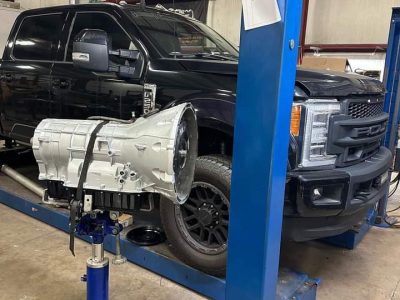
The traditional transmission and the CVT transmission are two types of automobile transmissions. A transmission is the part of a car that helps the engine to work together with the drive axle and wheels and allows the car to move. The transmission is responsible for transferring power from the engine to the wheels. Both the CVT transmission and the traditional transmission do this job, but they do it in different ways.
Traditional Transmission
A traditional transmission is the most common type of transmission. It uses metal gears to engage and disengage the engine and the drive axle. The driver shifts between gears to increase or decrease the speed of the car. This type of transmission is also known as a manual or manual gearbox.
CVT Transmission
A CVT transmission is a type of automatic transmission that uses pulleys and a belt to engage and disengage the engine and drive axle. The pulleys and belt work together to move the engine up and down the power band, allowing the car to accelerate and decelerate smoothly. The CVT transmission is also known as a continuously variable transmission or a CVT gearbox.
Differences
The most obvious difference between a traditional transmission and a CVT transmission is how they work. A traditional transmission uses metal gears to engage and disengage the engine and the drive axle, while a CVT transmission uses pulleys and a belt.
Another difference is the way the driver controls the car. With a traditional transmission, the driver must manually shift between gears. With a CVT transmission, the driver does not have to shift between gears, as the pulleys and belt do the work automatically.
Advantages of CVT
CVTs have several advantages over traditional transmission. They offer superior fuel economy and smoother operation. CVTs also have fewer moving parts, making them easier to maintain. They also have the ability to vary their gear ratios, allowing for more precise control of performance.
Advantages of Traditional Transmission
Traditional transmission offers a number of advantages over CVT. They are generally more reliable and have fewer problems than CVTs. They are also less expensive to buy and maintain, making them an attractive choice for budget-minded consumers. Traditional transmissions also offer greater control over performance, as the driver can manually shift gears.
Disadvantages of CVT
CVTs have some drawbacks when compared to traditional transmission. They can be noisy and less responsive than traditional transmission. They can also be more expensive to replace and repair. Additionally, some drivers find that they lack the same level of control that traditional transmission offers.
Disadvantages of Traditional Transmission
Traditional transmission has some drawbacks when compared to CVT. They are less fuel-efficient than CVTs, and they can be more prone to wear and tear. Additionally, they require more frequent maintenance, as the gear oil needs to be changed regularly.
Conclusion
When considering the differences between CVT and traditional transmission, it is important to consider the application. If you are looking for superior fuel economy or a smoother operation, then CVT may be the better choice. On the other hand, if you are looking for greater control and reliability, then traditional transmission may be the better option.