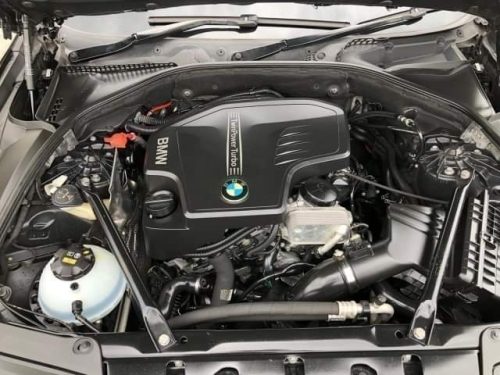
Engine Overheating
Engine overheating is a common issue that affects many vehicles and can lead to serious damage if not addressed promptly. Overheating occurs when the temperature of the engine exceeds the normal operating range and can be caused by various factors, such as a malfunctioning cooling system, low coolant levels, a clogged radiator, or a faulty water pump.
The warning signs of an overheated engine include the temperature gauge reading in the red zone, steam coming from under the hood, and a sweet, syrupy odor. If you experience any of these symptoms, it’s important to stop the vehicle immediately and have it inspected by a mechanic to avoid costly repairs.
Symptoms of Engine Overheating
Engine overheating can be a serious problem and should not be ignored. Understanding the symptoms of engine overheating can help you detect a problem before it becomes a major issue.
- Temperature Gauge:The most obvious symptom is when the temperature gauge on your dashboard shows that the engine is overheating.
- Smoke:If you notice smoke coming from your engine bay, it is likely a sign that your engine is overheating.
- Steam:If you see steam coming out from under the hood, this is a definite sign of an overheating engine.
- Unusual Sounds:If you hear an unusual sound coming from your engine, it could be a sign that it is overheating.
- Illuminated Warning Lights:If the Check Engine or Temperature warning lights come on, it could indicate that the engine is overheating.
Causes of Engine Overheating
An engine can overheat due to a variety of causes, including:
- Low coolant levels: If the coolant level is too low, the engine may not have enough liquid to absorb and dissipate the heat produced by the combustion process.
- Faulty thermostat: The thermostat is responsible for controlling the flow of coolant through the engine. If it is stuck in the closed position, it can lead to overheating.
- Leaking or clogged radiator: A leaking or clogged radiator can reduce the amount of coolant available to absorb the heat produced by the engine.
- Faulty water pump: The water pump is responsible for circulating the coolant through the engine. If it fails or isn’t working properly, the coolant won’t be able to circulate and the engine will overheat.
- Dirty or blocked coolant passages: Dirty or blocked coolant passages can restrict the flow of coolant and cause overheating.
- Faulty fan or fan clutch: The fan and fan clutch are responsible for cooling the coolant as it passes through the radiator. If the fan or fan clutch fails, the coolant won’t be cooled and the engine will overheat.
How to Stop Engine Overheating
Engine overheating can be caused by a variety of factors, and it is important to identify and address the underlying cause to ensure your vehicle runs properly. Here are some tips to help you prevent and stop engine overheating:
- Check the coolant level: The first step is to make sure your coolant levels are correct. Check the owner’s manual for the correct level and top up if necessary.
- Change the coolant: If the coolant is old or contaminated, it may need to be replaced. Check the owner’s manual for the recommended type and frequency of coolant changes.
- Check the thermostat: A faulty thermostat can cause engine overheating. If the thermostat is not functioning correctly, it may need to be replaced.
- Check the radiator: The radiator may need to be cleaned or the fins straightened if they are bent. Also check for any blockages that may be preventing proper coolant flow.
- Check the water pump: The water pump may need to be replaced if it is faulty or leaking.
- Check the fan: Make sure the fan is working properly and not blocked by debris.
- Check the hoses: Check all hoses for cracks and leaks. Replace any worn or damaged hoses.
- Check the belts: Make sure all the belts are in good condition and properly tensioned.
- Check the oil level: Low oil levels can cause engine overheating. Make sure the oil level is correct and top up if necessary.
- Check for any other problems: Have the vehicle inspected for any other potential issues that may be causing the engine to overheat.
In conclusion, engine overheating is a serious issue that should not be ignored. It can cause significant damage to the engine and other parts of the vehicle if not addressed promptly. Regular maintenance and regular checks of coolant levels and hoses can help prevent engine overheating and ensure the longevity of your vehicle. If you experience any symptoms of engine overheating, it’s important to stop the vehicle immediately and have it inspected by a qualified mechanic. Taking these precautions will help ensure the safety and reliability of your vehicle, and avoid costly repairs down the road.