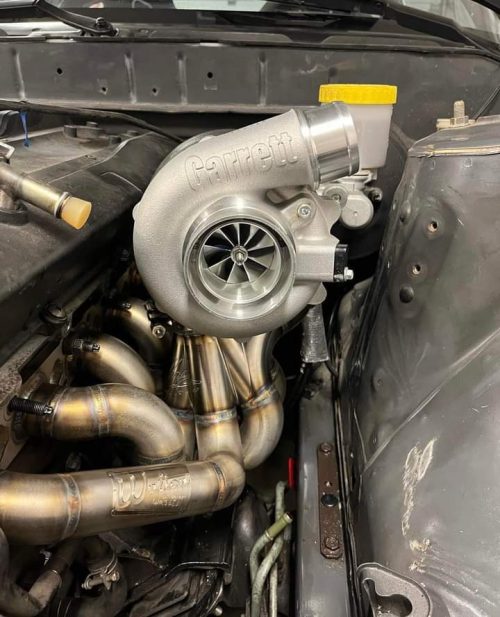
Carbon buildup can cause serious problems in an engine and reduce its efficiency and performance. To keep your engine running smoothly, it is important to remove the carbon buildup regularly. The following instructions will show you how to safely and effectively clear carbon buildup from your engine.
Materials Needed
- Carburetor cleaner
- Wire brush
- Oil
- Oil filter
- Oil filter wrench
- Socket wrench
Step 1: Prepare the Engine
Before you start cleaning the engine, you need to make sure that it is safe to do so. Make sure that the engine is cool and that all electrical connections are disconnected.
Step 2: Remove the Air Intake
The air intake is the part of the engine that allows air to enter the engine. To remove the air intake, first remove any clamps or hoses, then unscrew the bolts that secure it to the engine.
Step 3: Clean the Air Intake
Once the air intake is removed, you can begin cleaning it. Use a brush and a degreasing agent to scrub away any dirt, oil, or grime. Make sure to get into all the nooks and crannies.
Step 4: Clean the Valves and Pistons
Using a wire brush, scrub away the carbon buildup on the valves and pistons. Make sure to get into all the crevices and corners. If there is a carburetor, start by using the carburetor cleaner and a wire brush to clean the carburetor. This will help to loosen any buildup or dirt that has accumulated.
Step 5: Next, change the oil and oil filter.
This will help to flush out any dirt and debris that may have been left behind from the carburetor cleaning.
Step 6: Clean Spark Plugs
After you have changed the oil and filter, you can use a socket wrench to remove the spark plugs. You will need to clean the spark plugs with a wire brush and carburetor cleaner. This will help to remove any carbon buildup that may have accumulated on the spark plugs. Once you have finished cleaning the spark plugs, you can replace them and use the oil filter wrench to tighten them. Make sure that the spark plugs are properly tightened so that they don’t come loose during use.
Step 7: Reassemble the Engine
Once you have finished scrubbing away the carbon buildup, you can reassemble the engine. Put the air intake back in place, reattach any clamps or hoses, and screw the bolts back in.
Step 8: Test the Engine
Before you use the engine, it is important to test it to make sure that everything is working correctly. Start the engine and let it run for a few minutes. This will help to flush out any remaining carbon buildup and should help to improve the performance of your engine. If everything is running smoothly, you can use the engine as usual.
Other Methods to Clear Carbon Buildup
Cleaning with a Wire Brush:
The quickest and simplest method as explained above is scrubbing away built-up carbon deposits with a wire brush and solvent. Start by disconnecting the battery and removing the spark plugs. Then, use a wire brush to scrub away the buildup from the combustion chamber, valves, pistons, and other areas of the engine. Finally, clean the area with a solvent, such as a carburetor cleaner just as explained.
Chemical Cleaners:
Chemical cleaners are designed to break down carbon deposits. To use one, first remove the spark plugs and add the cleaner to the oil. Then, run the engine for 15 minutes to allow the cleaner to circulate. Once finished, change the oil and filter.
High-Pressure Steam Cleaners:
High-pressure steam cleaners are one of the most effective ways to remove carbon deposits. The steamer should be used with a special nozzle that is designed to penetrate deep into the engine. The high-pressure steam will break down the carbon deposits, allowing them to be easily wiped away.
Using a Fuel Additives:
Fuel additives can help reduce carbon buildup in your engine. To use one, simply add the recommended amount of additive to your fuel tank. Over time, the additive will help keep your engine clean and reduce the amount of carbon buildup.
Redlining the Engine
You can also try Redlining your car engine after a few hundred kilometers. This is commonly known as Revving the engine. The engine is revved till the tachometer hits the limit. This will help the engine burn off carbon that’s already built up. Remember, you should only rev the engine at the correct operating temperature. Don’t rev a cold engine; you will mess it up.
Following these steps will help ensure that your engine is free of carbon buildup and running at its best. Be sure to repeat this process regularly to keep your engine clean and running efficiently.