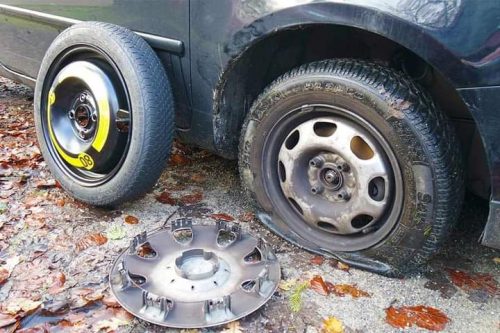
Unbalanced Tires
Unbalanced tires occur when the weight distribution on one of the tires is uneven, meaning that one side is heavier or lighter than the other. This can cause the tire to vibrate excessively when it is in motion, leading to an uncomfortable ride and an increased risk of tire failure. Unbalanced tires can cause a variety of problems, including poor vehicle handling, reduced fuel efficiency, and increased tire wear.
To prevent unbalanced tires, tires should be regularly inspected for signs of wear and tear. Additionally, the tires should be rotated and balanced to ensure that the weight is evenly distributed across all four tires. For best results, tires should be balanced and rotated every 5,000 to 7,500 miles.
Problems Caused by Unbalanced Tires
Unbalanced tires can cause a variety of problems such as:
- Vibration: Unbalanced tires cause vibrations in the steering wheel or the entire car when you are driving.
- Uneven Wear: Unbalanced tires cause the tread to wear out unevenly which can lead to premature tire failure.
- Reduced Fuel Efficiency: Unbalanced tires reduce fuel efficiency due to the extra effort required to keep the vehicle running. The extra friction and drag on the tires can also cause the engine to run hotter, resulting in higher fuel consumption.
- Reduced Handling: Unbalanced tires reduce the vehicle’s handling ability and make it more difficult to maintain control of the vehicle, especially at higher speeds.
- Safety Concerns: Unbalanced tires can cause the vehicle to sway and pull to one side, which can be dangerous in certain situations.
Preventing Unbalanced Tires
Unbalanced tires can cause an uncomfortable ride and premature tire wear. To prevent unbalanced tires, it is important to ensure that tires are regularly inspected and rotated.
Regular Tire Inspection
Regularly inspect tires for signs of wear, such as uneven tread wear, bulges, cracks, or cuts. If any of these signs are present, the tire should be replaced.
Tire Rotation
Tires should be rotated every 5,000-7,500 miles or as instructed in the owner’s manual. This will help to evenly distribute the wear and tear on the tire, which can help to prevent unbalanced tires.
Wheel Alignment
The wheel alignment should be checked at least once a year. This will ensure that the tires are properly aligned, which can help to prevent unbalanced tires.
Tire Balancing
Tire balancing should be done every 5,000-7,500 miles or as instructed in the owner’s manual. This will help to ensure that the weight of the tire is evenly distributed, which can help to prevent unbalanced tires.
By regularly inspecting, rotating, and balancing tires, you can help to prevent unbalanced tires and ensure a smoother ride.
Generally, unbalanced tires can affect your driving experience and result in a number of issues for your car.
These problems can be avoided with routine maintenance and tire balance checks, which will also guarantee that your car runs smoothly.
You may enjoy a safer, more comfortable, and more effective driving experience by spending a little time and effort maintaining your tires.
Your tires are important to the overall performance of your car, so take care of them!